
Boost Youth Athletic Performance with Personal Training

In today's competitive sports environment, young athletes face immense pressure to perform at their best. With the right training, they can enhance their skills, build strength, and improve their overall performance. Personal training offers a tailored approach that can significantly boost youth athletic performance. This blog post will explore how personal training can benefit young athletes, the key components of effective training programs, and practical tips for parents and coaches.
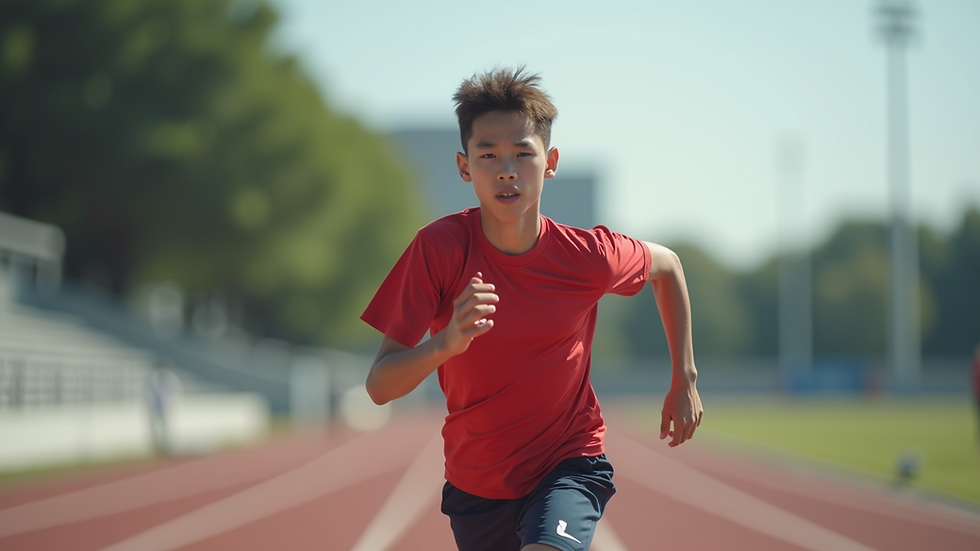
Understanding the Importance of Personal Training
Personal training is not just about lifting weights or running laps. It is a comprehensive approach that considers the individual needs of each athlete. Here are some reasons why personal training is essential for young athletes:
Customized Programs: Every athlete has unique strengths and weaknesses. Personal trainers assess these factors and create tailored programs that target specific areas for improvement.
Skill Development: Personal trainers focus on developing essential skills, such as agility, speed, and coordination, which are crucial for athletic success.
Injury Prevention: A well-structured training program can help prevent injuries by strengthening muscles and improving flexibility.
Motivation and Accountability: Having a personal trainer provides young athletes with motivation and accountability, encouraging them to stay committed to their training goals.
Key Components of Effective Personal Training Programs
To maximize the benefits of personal training, programs should include several key components:
1. Assessment and Goal Setting
Before starting any training program, it is crucial to assess the athlete's current fitness level and set realistic goals. This process may involve:
Physical Assessments: Evaluating strength, flexibility, endurance, and overall fitness.
Skill Assessments: Analyzing specific skills related to the athlete's sport.
Goal Setting: Establishing short-term and long-term goals that are measurable and achievable.
2. Strength and Conditioning
Strength and conditioning are vital for enhancing athletic performance. A personal trainer can design a program that includes:
Resistance Training: Building muscle strength through exercises like squats, lunges, and push-ups.
Plyometrics: Incorporating explosive movements to improve power and speed.
Endurance Training: Enhancing cardiovascular fitness through activities like running, cycling, or swimming.
3. Skill-Specific Training
Personal trainers can help young athletes develop sport-specific skills. This may involve:
Drills and Techniques: Practicing sport-specific drills to improve technique and performance.
Game Simulation: Engaging in practice scenarios that mimic real-game situations to enhance decision-making and reaction time.
4. Nutrition Guidance
Proper nutrition is essential for athletic performance. Personal trainers can provide guidance on:
Balanced Diet: Educating athletes on the importance of a balanced diet rich in carbohydrates, proteins, and healthy fats.
Hydration: Emphasizing the need for proper hydration before, during, and after training sessions.
5. Recovery Strategies
Recovery is a crucial aspect of any training program. Personal trainers can help athletes incorporate recovery strategies such as:
Stretching and Mobility Work: Enhancing flexibility and reducing muscle soreness.
Rest Days: Scheduling rest days to allow the body to recover and prevent overtraining.
Practical Tips for Parents and Coaches
As a parent or coach, supporting young athletes in their personal training journey is essential. Here are some practical tips:
1. Encourage Open Communication
Maintain open lines of communication with the athlete and their trainer. Discuss goals, progress, and any concerns that may arise during training.
2. Promote a Positive Mindset
Encourage young athletes to adopt a positive mindset. Remind them that improvement takes time and that setbacks are a natural part of the process.
3. Support Balanced Training
Ensure that training does not interfere with academics or social activities. A well-rounded approach to life will help athletes stay motivated and focused.
4. Monitor Progress
Regularly check in on the athlete's progress. Celebrate achievements, no matter how small, to keep them motivated.
5. Lead by Example
Model healthy habits yourself. Show your support by participating in physical activities and maintaining a balanced lifestyle.
Conclusion
Personal training can significantly enhance youth athletic performance by providing tailored programs that address individual needs. By focusing on assessment, strength and conditioning, skill development, nutrition, and recovery, young athletes can reach their full potential. As parents and coaches, your support and encouragement play a vital role in their success. Help them embrace the journey of improvement, and watch them thrive in their athletic pursuits.
By investing in personal training, you are not just improving their performance; you are also instilling valuable life skills such as discipline, resilience, and teamwork. So, take the first step today and explore personal training options for the young athletes in your life.


Comments